CONFUCIANISM
- jananijanakiraman03
- Oct 27, 2025
- 2 min read
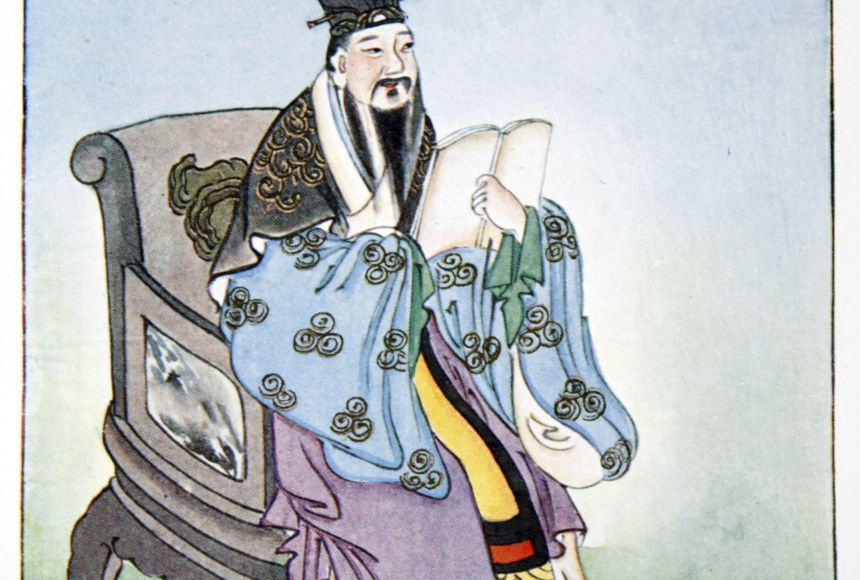
Developed during 551 BCE, Confucius created Confucianism in ancient China, a philosophy focused on harmony, formalities, and virtue. It focuses on relationships and self-reflection in order to grow one’s moral character.
The key principles of Confucianism are Ren, Li, Yi, Zhi, Xin, and He. In order, they focus on empathy, etiquette, righteousness, wisdom, integrity, and harmonious lifestyle. The Chinese letters for these are (respectively) 仁, 礼, 义, 智, 信, and 和. As you can see, all of these ideas focus on rules, happiness, and doing what’s right. Some other ideas include filial piety, otherwise known as xiao (孝), which also focuses on respect; specifically, it discusses how respectful we should be towards our parents and elders. Confucian beliefs are very focused on the respect dynamic between the superior and “student”. Another idea is junzi (君子), which directly translates to “noble person”. This symbolizes the necessity for someone to be such a moral individual that they are a role model to other individuals, an inspiration for them to follow their steps.
Confucianism was applied in many areas of ancient Chinese lives. One example is religion; religion had to consist of self-reflection and be a habitual action. Next, we have xue (学), which is the idea that one must always try to educate themselves; in other words, learning never stops. Confucianists believe that without having knowledge, one cannot do anything. Business ethics in ancient China was majorly influenced by Confucianism as well; it made collusion and lies less likely, as Confucian ideas emphasize honesty. Confucianism is also seen in families and education. For example, there’s a power hierarchy between a child and a parent, a student and a teacher, and a soldier and a king (the latter always being the more powerful).
Confucian ideals believe that one’s moral identity is dependent on their relationships. While Confucianism can focus on rules, relationships are more important. Confucianism had a major effect on Asian culture. It helped not only shape the political nature of China, but also neighboring countries. Confucianism had an invaluable effect on ancient Asian culture and still has major effects today.


Comments